Mauri Compass
Environmental Assessment System
Wi Pere Trust
Otara, Tangihanga & Finishing Farm • Ahuwhenua Trophy Winners 2022
MAURICOMPASS.COM
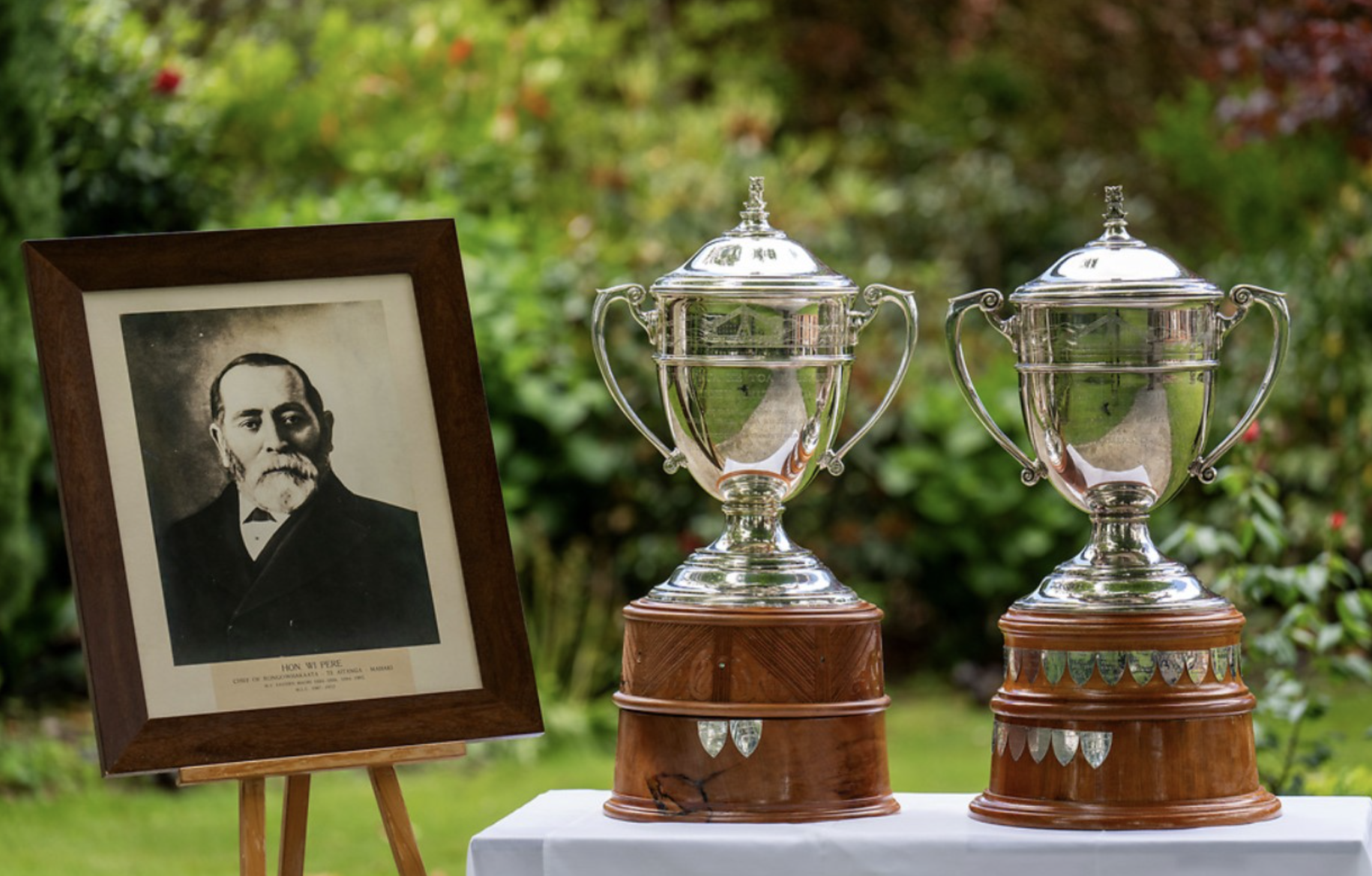
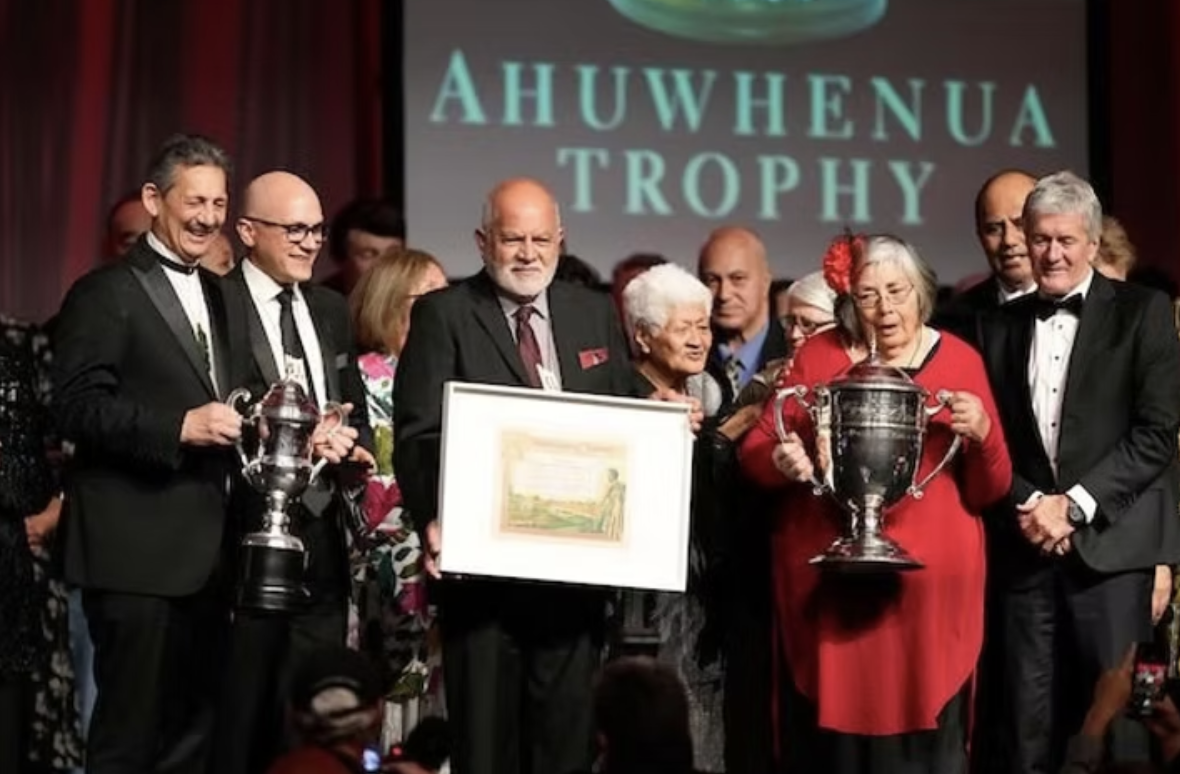
Wi Pere Trust won the 2022 Ahuwhenua Trophy for Sheep and Beef. Environmental achievements include 6,770 hectares under management, 35 km of waterways fenced, 30 ha of riparian planting, and a landscape-scale approach to biodiversity corridors.
"Nurturing the Wi Pere legacy for current and future generations with the overarching philosophy of kaitiakitanga."
Wiremu Pere (Wi Pere) was a rangatira, entrepreneur, legislator, and Member of Parliament for Eastern Māori (1884–1905) of Te Aitanga-a-Mahaki. He created the Mangatu Incorporation in 1893 — the first Māori Incorporation in Aotearoa. The Wi Pere Trust was established by Act of Parliament in 1899.
Tā Āpirana Ngata said of him: ‘No man ever did more for his people’ (as cited in Ahuwhenua Trophy 2022 Field Day Handbook).
The Trust manages 6,770 ha across three stations — Otara (2,573 ha), Tangihanga (1,420 ha), and Wi Pere Finishing Farm (870 ha) — running approximately 32,400 sheep and 4,600 cattle. 550 owners of Te Aitanga-a-Mahaki me Te Whānau-a-Kai. Founding Chair of the Tairawhiti Whenua Charitable Trust collective (42 land blocks, 143,000 ha).
“Wi Pere is deeply committed to restoring and protecting the mauri of the Waipaoa because of our responsibility as Kaitiaki and because we recognise the vital role Waipaoa has in the life it brings to the whenua, people, community, and local livelihoods.”
“The sector needs energy, and it needs uplifting, and we are happy to put our shoulder to the shovel to make a contribution.”
“The industry could do a better job of communicating the beauty and benefits of farming.”
“We were mentioned as being under the radar and that is how we prefer to be.”
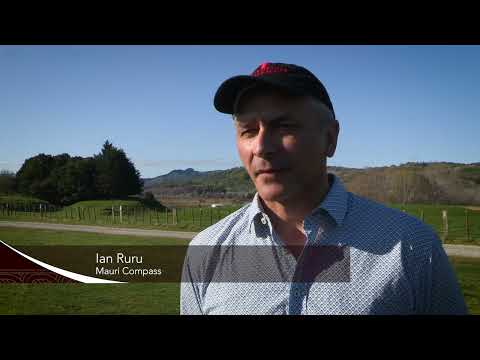
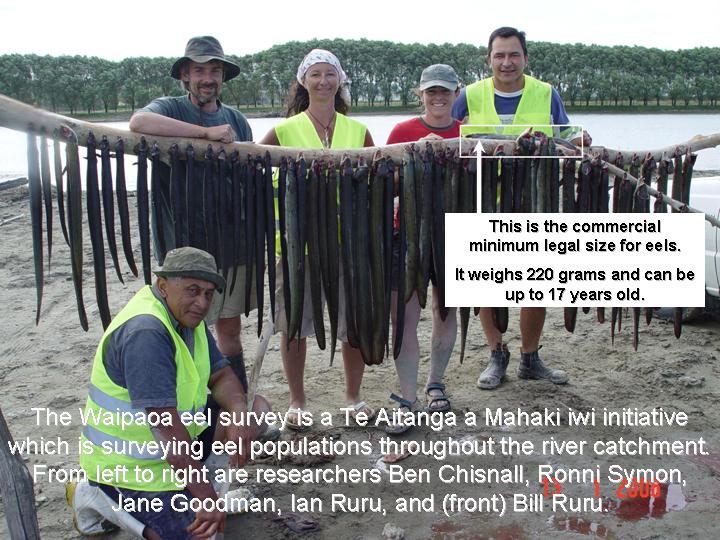
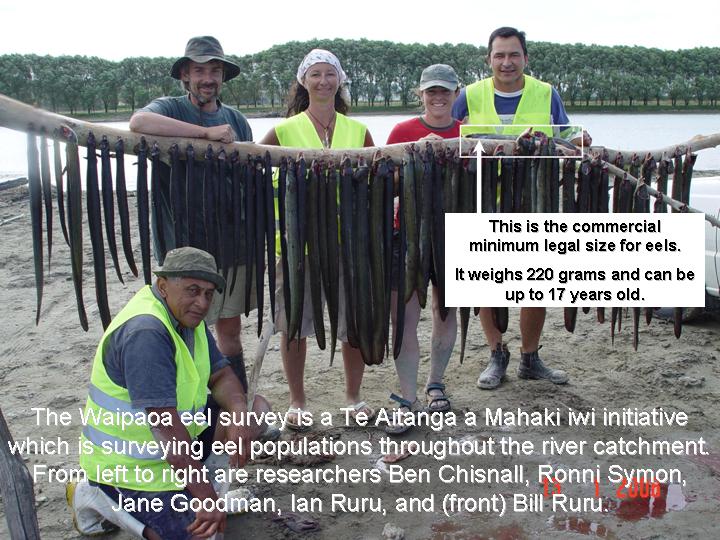
“Cultural science guides our environmental management, with the Mauri Compass — developed by our whanaunga Ian Ruru — aligning our business practices with both cultural and environmental values, and blending western and indigenous knowledge in our decision-making.”
“Wi Pere spoke out about what was happening to our people with the Native Land Court and the loss of much of our ancestral whenua, and he was determined to do everything in his power to prevent Māori land passing out of Māori control. Wi Pere’s vision was to assist our people to adapt to the new world order by promoting the economic development of Tūranga land for the benefit of the hapū.”
“I am honoured to take on the role of Chief Executive Officer at Wi Pere Trust. This appointment represents an exciting step in my career and reflects my deep passion for the Trust’s kaupapa and its people. I look forward to contributing to the ongoing success and growth of the Trust, ensuring we continue to deliver strong outcomes for our shareholders and community.”
Over 20 years in Māori agribusiness. Under his guidance, Wi Pere Trust achieved the Ahuwhenua Trophy (2022). Appointed Chief Judge for the 2025 Ahuwhenua Trophy Sheep & Beef competition. Chairman of Waipaoa Cadet Training Trust. Executive Director of Awhina Management Ltd.
“Mauri Compass is embedded in Wi Pere Trust’s sustainability and environmental stewardship, ensuring that cultural, spiritual, and community values are at the heart of land and water management. Its use demonstrates leadership in kaitiakitanga and compliance with both Māori and national standards.”
| SITE | DIST | MCI | BAND | TREND |
|---|---|---|---|---|
| Mangatu R. at Omapere Stn | 1.9 | 99.5 | C | Indet. |
| Waikohu R. at No3 Br | 8.5 | 89.9 | D | Indet. |
| Waikohu R. at Mahaki Stn | 9.4 | 102.1 | C | Indet. |
| Waihuka at No2 Br | 9.6 | 96.5 | C | Degrading |
| Waipaoa R. at Kanakanaia | 10.3 | 74.5 | D | Indet. |
| Waipaoa at Armstrong Rd | 11.5 | 106.5 | C | Improving |
| INDICATOR | MEDIAN | STATE | BAND | TREND |
|---|---|---|---|---|
| E. coli | 110 | Best 50% | N/A | Indet. |
| Clarity | 0.06 m | Worst 25% | N/A | N/A |
| Total Nitrogen | 0.245 | Best 50% | — | ▼ Degrading |
| Nitrate-N | 0.152 | Best 50% | A | ▼▼ V.Degrading |
| DRP | 0.005 | Best 50% | A | ▲▲ V.Improving |
| Total Phosphorus | 0.047 | Worst 25% | — | ▼ Degrading |
| INDICATOR | MEDIAN | STATE | BAND | TREND |
|---|---|---|---|---|
| E. coli | 110 | Best 50% | D | ▲ Improving |
| Clarity | 0.57 m | Worst 25% | N/A | N/A |
| Total Nitrogen | 0.370 | Best 50% | — | ▼▼ V.Degrading |
| Nitrate-N | 0.161 | Best 50% | A | ▼ Degrading |
| DRP | 0.007 | Best 50% | B | ▲ Improving |
| Total Phosphorus | 0.018 | Best 50% | — | ▲▲ V.Improving |
| INDICATOR | MEDIAN | STATE | BAND | TREND |
|---|---|---|---|---|
| E. coli | 180 | Worst 50% | N/A | ▼▼ V.Degrading |
| Clarity | 0.11 m | Worst 25% | N/A | N/A |
| Total Nitrogen | 0.350 | Best 50% | — | ▼ Degrading |
| Nitrate-N | 0.196 | Best 50% | N/A | ▲▲ V.Improving |
| Ammoniacal-N | 0.020 | Worst 25% | N/A | ▼▼ V.Degrading |
| Total Phosphorus | 0.047 | Worst 25% | — | ▼▼ V.Degrading |
| INDICATOR | MEDIAN | STATE | BAND | TREND |
|---|---|---|---|---|
| E. coli | 150 | Worst 50% | N/A | ▲ Improving |
| Clarity | 0.46 m | Worst 25% | N/A | N/A |
| Total Nitrogen | 0.520 | Worst 50% | — | ▼ Degrading |
| Nitrate-N | 0.027 | Best 25% | A | Indet. |
| DRP | 0.016 | Worst 50% | C | Indet. |
| Total Phosphorus | 0.046 | Worst 25% | — | Indet. |
| INDICATOR | MEDIAN | STATE | BAND | TREND |
|---|---|---|---|---|
| E. coli | 230 | Worst 50% | N/A | ▼▼ V.Degrading |
| Clarity | 0.06 m | Worst 25% | N/A | N/A |
| Total Nitrogen | 0.375 | Best 50% | — | ▼▼ V.Degrading |
| Nitrate-N | 0.151 | Best 50% | A | ▼▼ V.Degrading |
| DRP | 0.012 | Worst 50% | C | ▼ Degrading |
| Total Phosphorus | 0.064 | Worst 25% | — | ▼▼ V.Degrading |
| INDICATOR | MEDIAN | STATE | BAND | TREND |
|---|---|---|---|---|
| E. coli | 280 | Worst 25% | N/A | ▲ Improving |
| Clarity | 0.07 m | Worst 25% | D | N/A |
| Total Nitrogen | 0.360 | Best 50% | — | ▼ Degrading |
| Nitrate-N | 0.168 | Best 50% | A | ▼▼ V.Degrading |
| DRP | 0.012 | Worst 50% | C | Indet. |
| Total Phosphorus | 0.062 | Worst 25% | — | ▼ Degrading |


 MAURICOMPASS.COM